

供給能力
主な供給能力
材質、保持器、シール、潤滑、精度等級は型式とメーカーによって異なります。実際の製品データをご確認ください。
選ばれる理由
Hefei Bearing Supplyが選ばれる理由
実際の供給元、型式、数量に基づいてお問い合わせを確認します。
01
供給モデル
主要製品群の生産は協力工場の生産体制に支えられています。
02
補完需要
補完的な需要には集約調達で対応できます。
03
製品識別
調達品は実際のメーカー名と型式表示を維持します。
04
注文確認
供給可能数量、納期、該当書類を注文ごとに確認します。
品質とトレーサビリティ
信頼は主張ではなく、検証されるもの
- 主要製品群の生産は協力工場の生産体制に支えられています。
- 補完的な需要には集約調達で対応できます。
- 供給可能数量、納期、該当書類を注文ごとに確認します。
製品
製品
標準供給、OEMプログラム、交換調達のためのボール・ローラーベアリング各形式。
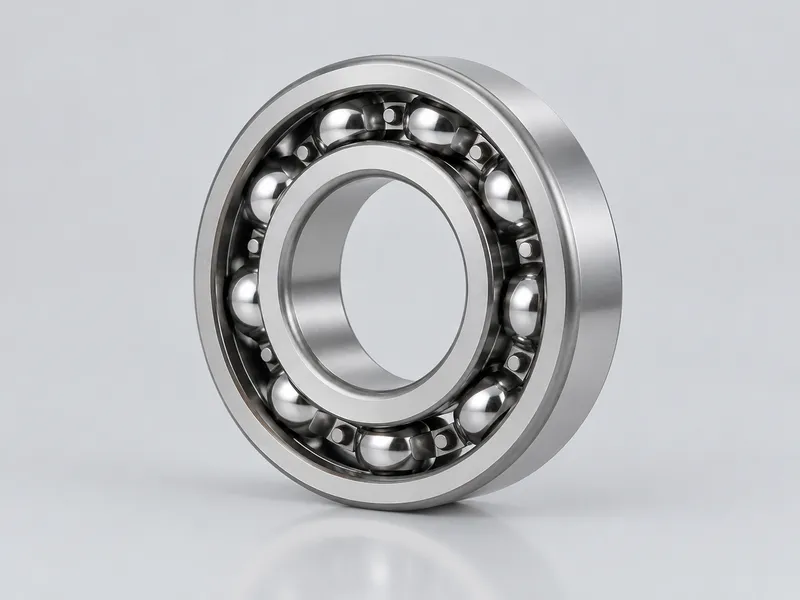
深溝玉軸受
高回転でのラジアル荷重および中程度のアキシアル荷重に対応する深溝玉軸受 — 開放形、ZZまたは2RS、クリアランスはCN・C3、呼び番号の互換に対応。
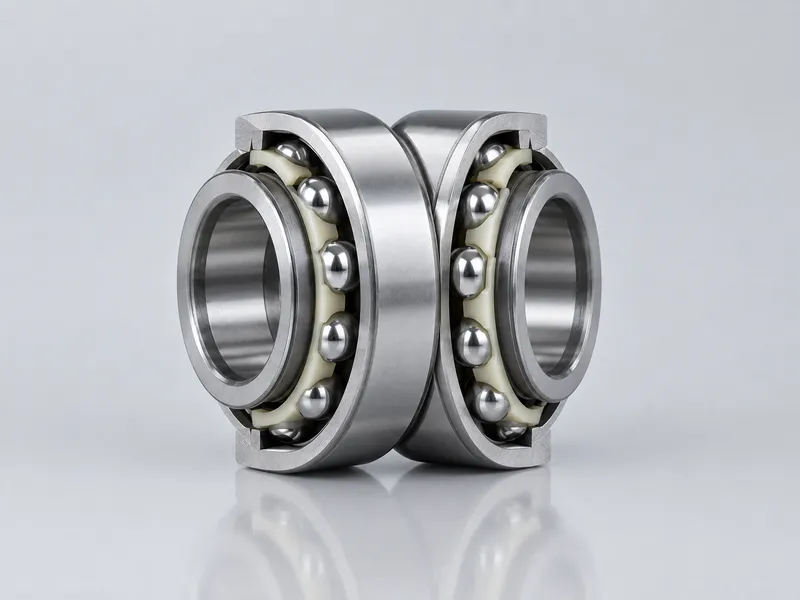
アンギュラ玉軸受
一方向のラジアル・アキシアル合成荷重に対応するアンギュラ玉軸受 — 接触角15/25/40度、単体または組合せで主軸用途に対応。
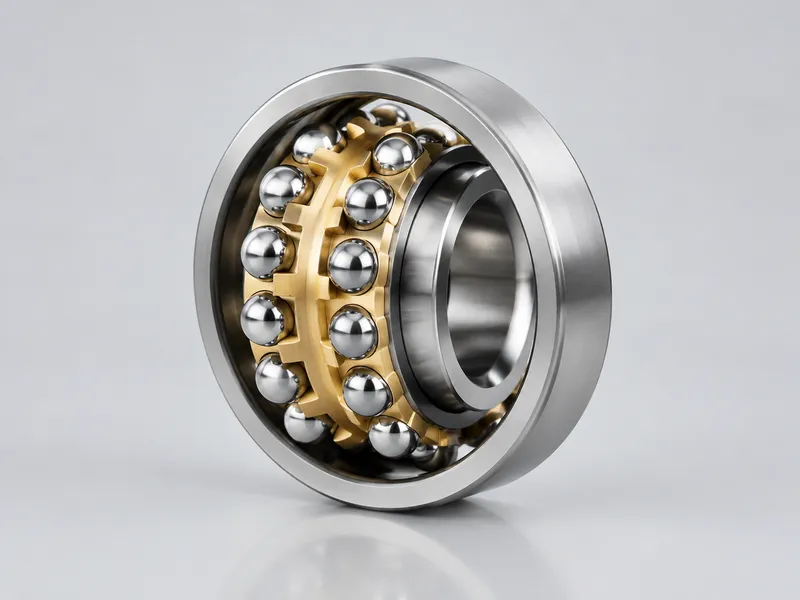
自動調心玉軸受
約1.5〜3度の軸たわみ・芯ずれを自動調心する自動調心玉軸受 — 軽〜中ラジアル荷重の長軸向け。
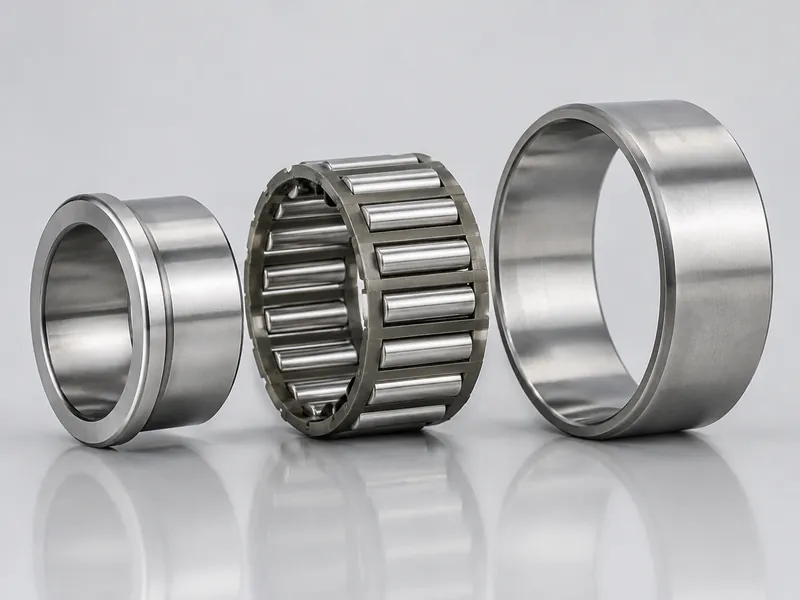
円筒ころ軸受
中速・重ラジアル荷重に対応する円筒ころ軸受 — 分離形NU / NJ / NUP設計で、モーターロータ、歯車装置、圧延機に対応。
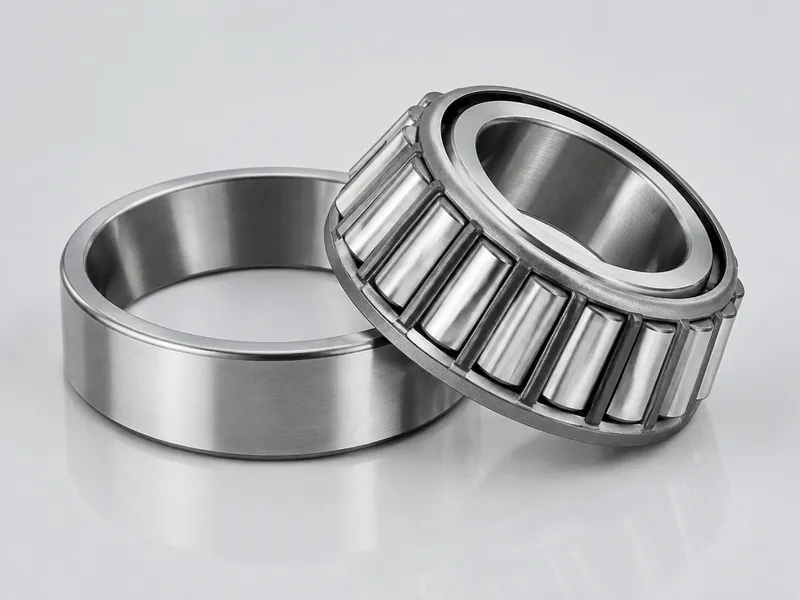
円すいころ軸受
高剛性でラジアル・アキシアル合成荷重に対応する円すいころ軸受 — メートル系およびインチ系、単体または組品で供給。
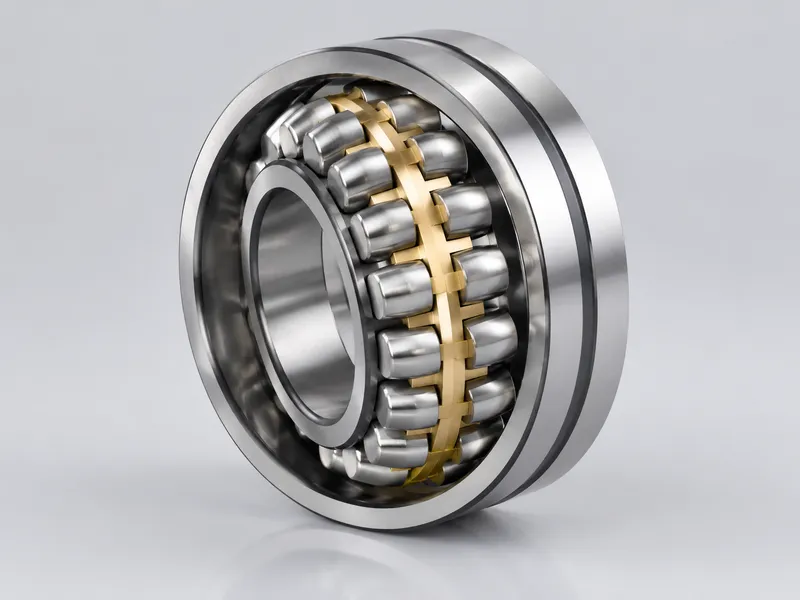
自動調心ころ軸受
非常に高いラジアル容量と約1〜2.5度の自動調心性を併せ持つ自動調心ころ軸受 — 振動ふるい、ミル、鉱山設備向け。
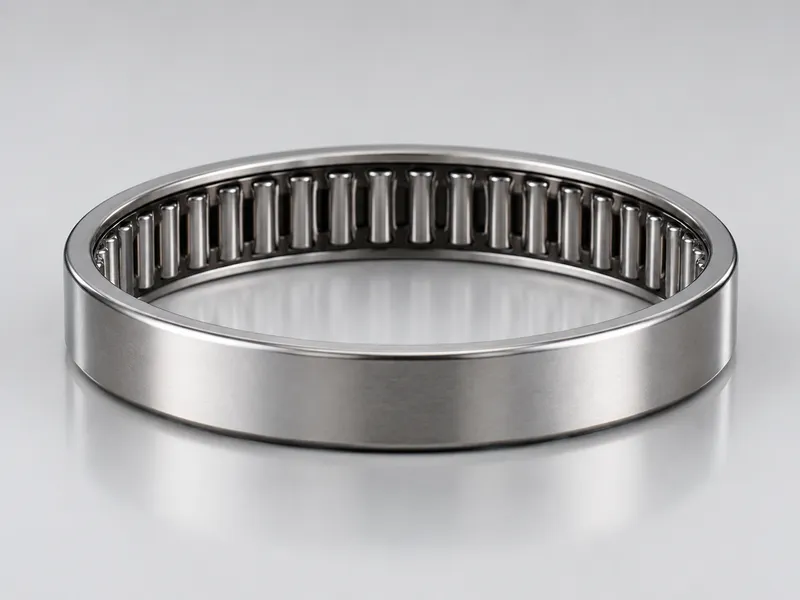
針状ころ軸受
最小の断面で高いラジアル容量を実現する針状ころ軸受 — シェル形とソリッド形、内輪あり/なしに対応。
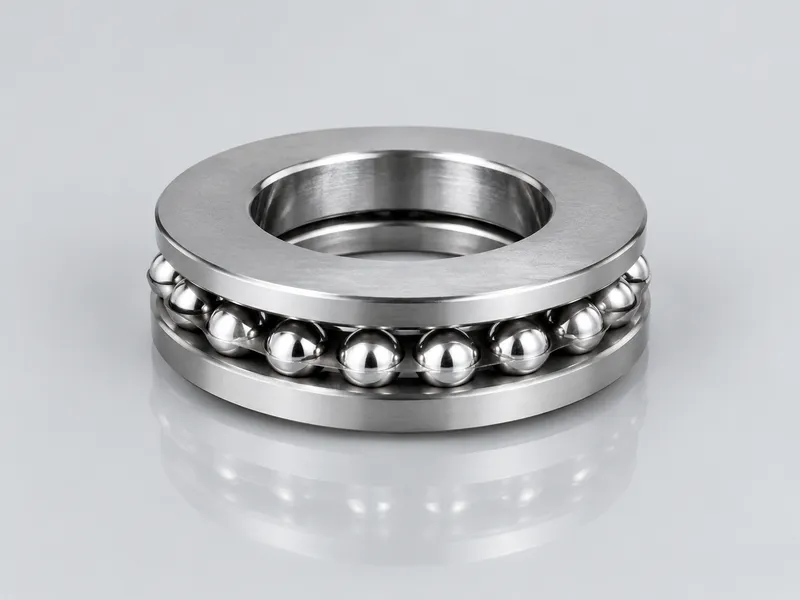
スラスト玉軸受
軸ワッシャとハウジングワッシャ間で純粋なアキシアル荷重を受けるスラスト玉軸受 — 一方向・両方向、クレーンフックや立て形ポンプに対応。
適用分野
用途別ベアリング
設備と使用条件によるベアリング選定:モーター、ポンプ、ギヤボックス、コンベヤなど。
電動機用ベアリング
電動機の軸、ロータ支持、エンドシールドの構成に対するベアリングの選定。ラジアル荷重、回転速度、クリアランス、潤滑を勘案します。
ポンプ用ベアリング
遠心ポンプやプロセスポンプのアセンブリにおけるベアリング選定。ラジアル荷重とアキシャル荷重、回転速度、シール性能、混入物の管理が仕様を左右します。
減速機用ベアリング
減速機シャフトと歯車支持部のベアリング選定。合成負荷、剛性、クリアランス、潤滑、アライメントを適用条件として扱います。
コンベア・物料搬送用ベアリング
ラジアル荷重、汚染、芯ずれ(ミスアライメント)、保全上の制約を受けるコンベアのプーリ、ローラ、搬送機器に対するベアリングの選定。
食品加工向けベアリング
洗浄・洗浄性、耐食性、シール、潤滑、文書化の要件を併せて検討する必要がある食品加工設備向けのベアリング選定。
風力タービン用ベアリング
風力タービンの駆動系および主軸に使用するベアリングの選定。負荷、回転速度、芯ずれ、潤滑、運転条件は適用条件として個別に確認します。
農業機械向けベアリング
変動荷重、粉塵、湿気、衝撃、およびメンテナンス上の制約がある農業機械向けのベアリング選定。
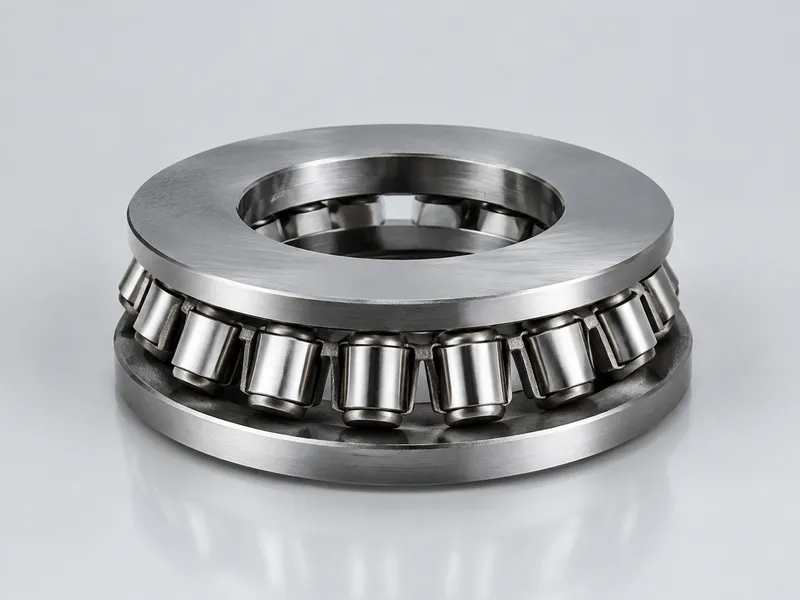
鉱山・バイブレーションスクリーン用ベアリング
重荷重、衝撃、振動、汚染、潤滑管理が仕様を左右する鉱山・バイブレーションスクリーン設備向けのベアリング選定。
材料
ベアリング材料
負荷・速度・使用条件に合わせた軸受鋼、保持器、シール、潤滑の選択肢。
- 材質、保持器、シール、潤滑、精度等級は型式とメーカーによって異なります。実際の製品データをご確認ください。
中国調達
中国からのベアリング調達
主要製品群は協力工場の生産体制が支え、補完需要は集約調達で対応します。詳細は注文ごとに確認します。
- ✓主要製品群の生産は協力工場の生産体制に支えられています。
- ✓補完的な需要には集約調達で対応できます。
- ✓調達品は実際のメーカー名と型式表示を維持します。
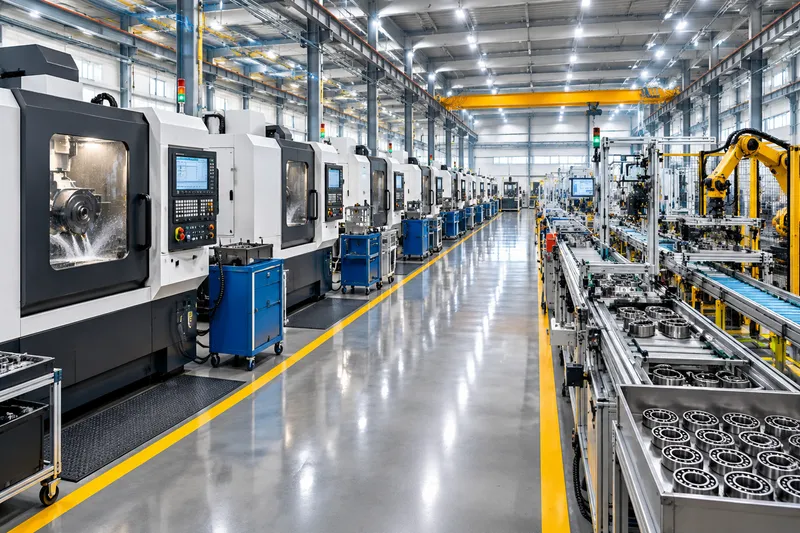
ご発注の流れ
注文の流れ
RFQから納品まで:すべてのベアリング注文に、明確な見積と検査プロセスをご提供します。

- お問い合わせ — 型番または種別、内径・外径・幅、数量、すきま等級と精度等級、シール・保持器の仕様、加えて使用回転数・温度・荷重をお知らせください。
- お見積り — 実際の供給元、型式、数量を確認したうえで、見積条件と納期を提示します。
- 生産と検査 — 供給ルート、数量、納期、該当書類は注文ごとに確認します。
- 出荷とアフターサポート — 供給ルート、納期、書類は製品と注文内容に基づき確認します。
技術情報
ベアリング技術情報
ベアリング選定、交換、調達の判断のためのエンジニアリング・購買ガイド。
2RS Contact Seals vs ZZ Metal Shields: Choosing on Contamination, Speed, Temperature and Relubrication
Published sources agree on the direction: 2RS contact seals exclude fine dust and moisture better than ZZ shields. But the lip contact adds friction and heat and the rubber degrades at temperature, so 2RS is the protected choice only where speed and temperature stay inside the seal's margin. ZZ shields are non-contact and their speed and temperature limits are set by cage and grease, not the shield. The numeric penalties — limiting speed, friction torque, temperature rise, relubrication interval and price — are not published in comparable form, so you must obtain them from the bearing supplier before the RFQ.
Does a Higher ABEC/ISO Class Buy Longer Bearing Life, or Should the Premium Go to Lubricant, Cage, Steel and Cleanliness?
The ABEC/ISO class is a tolerance band for boundary dimensions and running accuracy only; it does not certify material, heat treatment, lubricant, cage, cleanliness or service life. A class premium is justified where the application needs tighter bore, OD or runout control, while life-driven spending belongs in the lubricant, cage, steel/heat-treatment and sealing items that the class does not govern. No source in this set gives a price premium per class or a quantified life gain from a class upgrade.
Angular Contact Bearing Pairing: Choosing DB, DF or DT and a Preload Route Before the RFQ
Single-row angular contact bearings carry axial load in one direction only. So a bidirectional thrust duty forces a paired arrangement: DB where moment rigidity and combined loads dominate, DF where misalignment tolerance or easier mounting with inner-ring interference matters. And DT only to raise one-directional axial capacity. Preload is most often set by ordering a factory-matched duplex set whose spacer rings already fix preload or axial clearance, while pairing non-matched bearings means measuring axial dimensions and grinding spacers to a target. What the published evidence does not settle is the per-size preload value, the precision grade, or any stiffness threshold that would decide DB against DF for your specific duty.
Ball vs Roller Bearings: When Load and Speed Decide, and When the Variant Does
Load and speed settle the family in most applications: ball bearings are the higher-speed, lower-friction, lower-cost choice, while roller bearings carry more radial load in the same envelope through line contact. The roller's load advantage compounds with load because L10 uses an exponent of 10/3 for roller against 3 for ball, but no source here gives a matched ball/roller rating pair. So the crossover load and the rpm where the roller stops paying for itself must come from catalogue data.
ABEC 1/3/5/7/9 vs ISO P0/P6/P5/P4/P2: Which Precision Class Goes in the Specification
The two scales map tier-for-tier — ABEC 1/3/5/7/9 against ISO Normal(P0)/P6/P5/P4/P2 — but the pairing is close rather than exact, because the limits are written by different bodies and are not identical at every size. Write the class as a tier on a named scale and state which system the supplier certifies to, then list clearance, noise, lubrication, material and cage as separate line items, because the class controls only boundary dimensions and running accuracy.