

생산 역량
핵심 역량
재질, 케이지, 씰, 윤활 및 정밀도 등급은 모델과 제조사에 따라 다르므로 실제 제품 데이터를 확인해야 합니다.
선택 이유
Hefei Bearing Supply를 선택하는 이유
실제 공급처, 모델 및 수량을 기준으로 문의를 검토합니다.
01
공급 모델
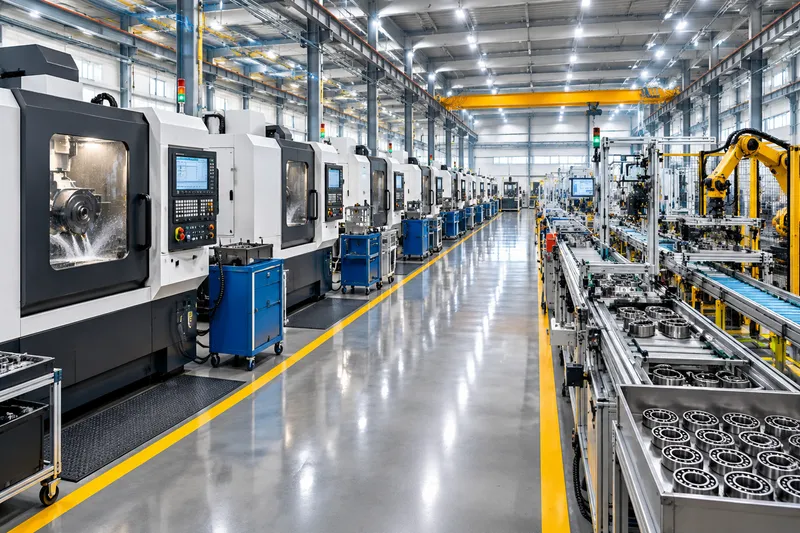
주요 제품군의 생산은 협력 공장의 생산 역량이 뒷받침합니다.
02
보완 수요
보완 수요는 필요에 따라 통합 조달로 대응할 수 있습니다.
03
제품 식별
조달 제품은 실제 제조사와 모델 표기를 유지합니다.
04
주문 확인
공급 가능 수량, 납기 및 적용 서류를 주문별로 확인합니다.
품질과 추적성
신뢰는 주장이 아니라 검증입니다
- 주요 제품군의 생산은 협력 공장의 생산 역량이 뒷받침합니다.
- 보완 수요는 필요에 따라 통합 조달로 대응할 수 있습니다.
- 공급 가능 수량, 납기 및 적용 서류를 주문별로 확인합니다.
제품
제품
표준 공급, OEM 프로그램, 교체품 소싱을 위한 볼 및 롤러 베어링 유형.
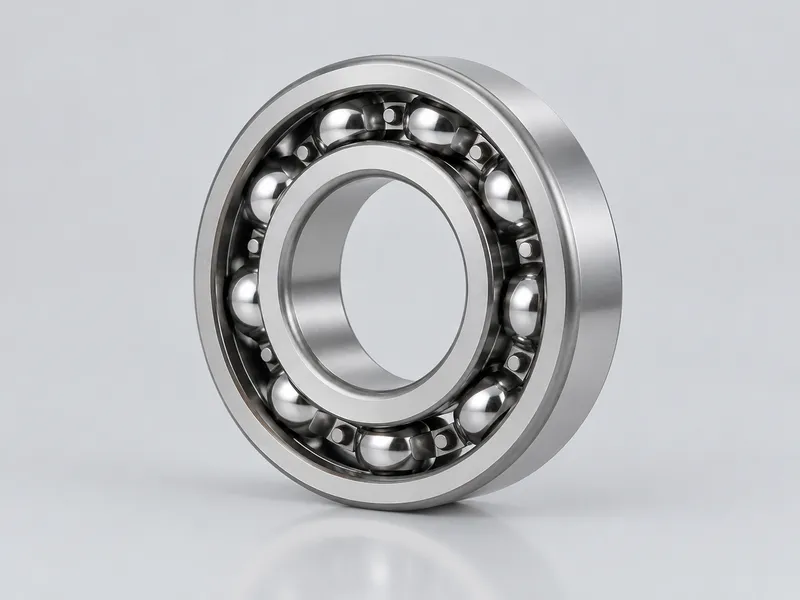
깊은 홈 볼베어링
고속에서의 반경 하중과 중간 크기 축방향 하중을 위한 깊은 홈 볼베어링 — 개방형, ZZ 또는 2RS, CN 또는 C3 내부 클리어런스, 형식 호환표 제공.
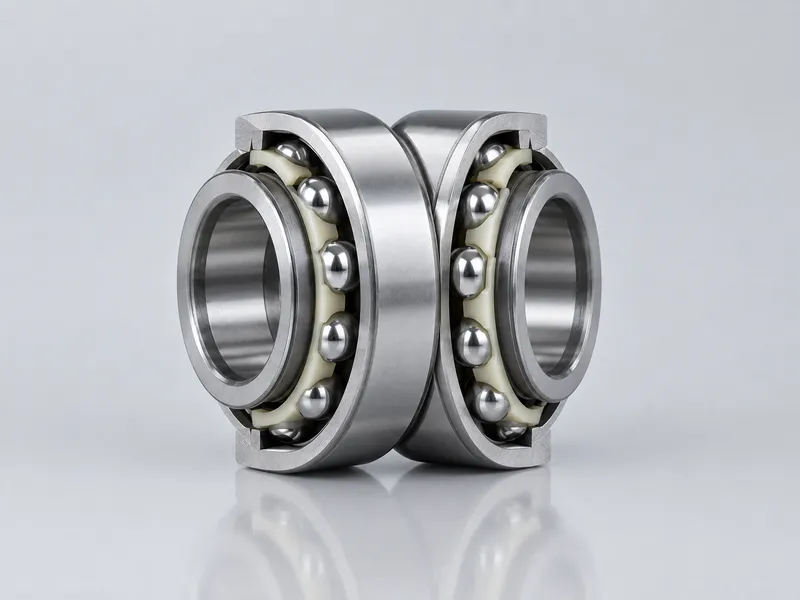
앵귤러 콘택트 볼베어링
한 방향의 합성 반경·축방향 하중을 위한 앵귤러 콘택트 볼베어링 — 접촉각 15/25/40도, 단품 또는 스핀들 용도의 조합(페어) 공급.
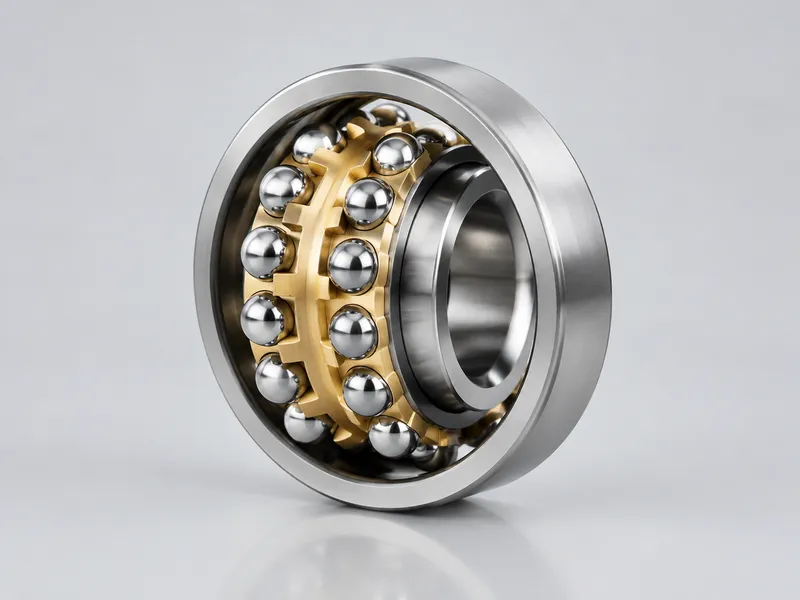
자기 조심 볼베어링
약 1.5–3도의 축 처짐과 부정렬을 흡수하는 자기 조심 볼베어링 — 중간 정도까지의 반경 하중을 받는 긴 축용.
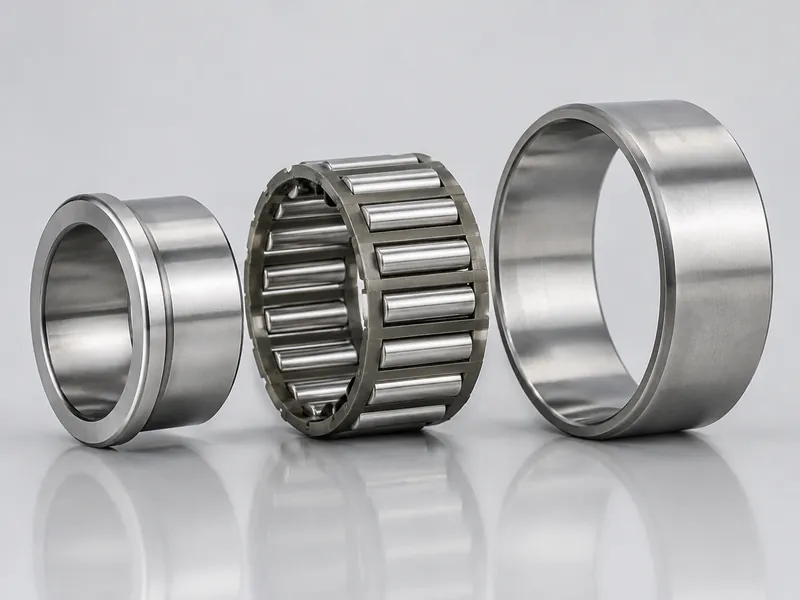
실린더 롤러 베어링
중간 회전속도에서의 중반경 하중을 위한 실린더 롤러 베어링 — 분리형 NU / NJ / NUP 설계, 모터 로터, 감속기, 압연기용.
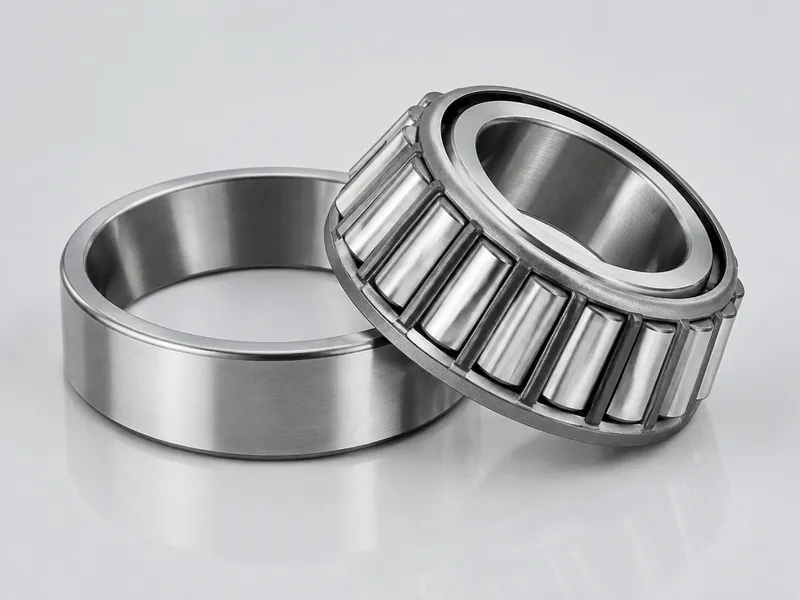
테이퍼 롤러 베어링
높은 강성으로 합성 반경·축방향 하중을 받는 테이퍼 롤러 베어링 — 미터 및 인치 시리즈, 단품 또는 정합(마주 보는) 페어로 공급.
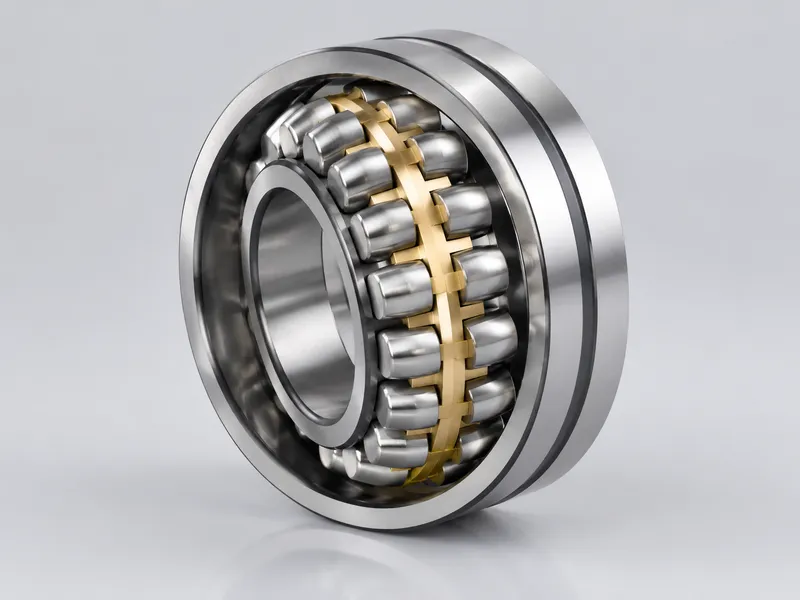
구면 롤러 베어링
매우 높은 반경 하중 용량과 약 1–2.5도의 자기 조심을 결합한 구면 롤러 베어링 — 진동 스크린, 밀, 광산 설비용.
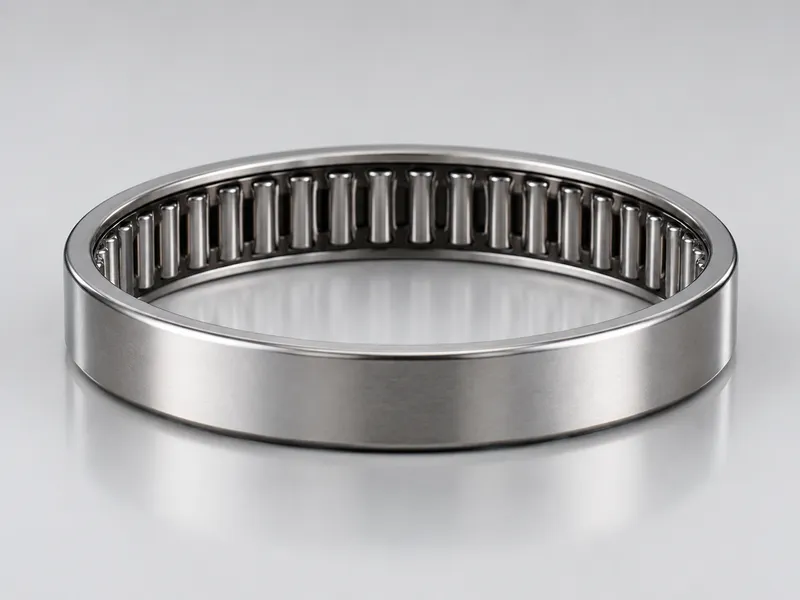
니들 베어링
가장 작은 단면에서 높은 반경 하중 용량을 내는 니들 베어링 — 드로운 컵형 및 솔리드형, 내륜 유무 선택 가능.
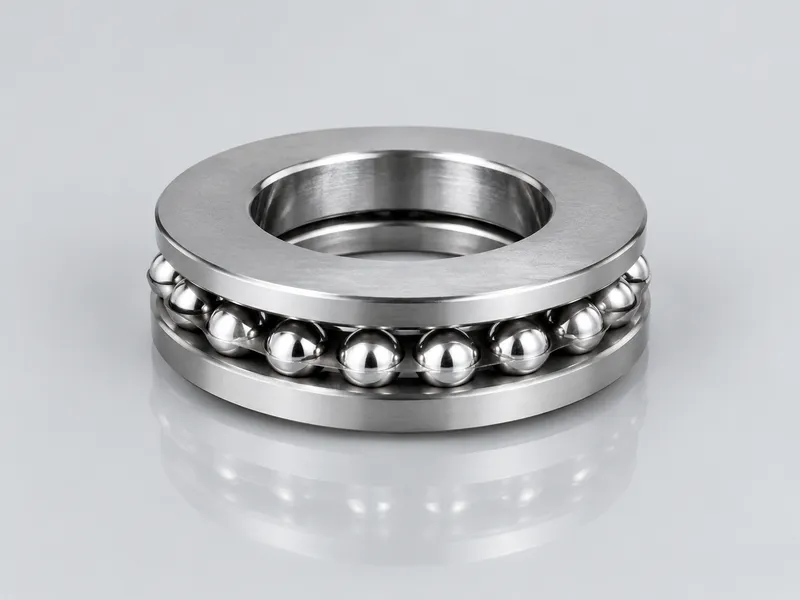
스러스트 볼베어링
샤프트 워셔와 하우징 워셔 사이의 순수 축방향 하중을 받는 스러스트 볼베어링 — 단동 또는 복동형, 크레인 훅 및 수직 펌프용.
적용 분야
적용 분야별 베어링
설비와 운전 조건에 따른 베어링 선정: 모터, 펌프, 감속기, 컨베이어 등.
전동기용 베어링
전동기 샤프트, 로터 지지, 엔드실드 구성에 대한 베어링 선정으로, 방사 하중, 회전속도, 클리어런스, 윤활 조건을 함께 고려합니다.
펌프용 베어링
원심 펌프 및 프로세스 펌프 조립체의 베어링 선정. 방사 하중과 추력 하중, 회전속도, 밀봉, 오염 관리가 사양을 결정합니다.
기어박스용 베어링
기어박스 샤프트와 기어 지지를 위한 베어링 선정으로, 합성 하중, 강성, 클리어런스, 윤활, 정렬을 적용 입력으로 다룹니다.
컨베이어 및 물류 취급용 베어링
방사 하중, 오염, 부정렬 및 유지보수 제약에 노출된 컨베이어 풀리, 롤러와 취급 장비에 대한 베어링 선정.
식품 처리용 베어링
세척, 부식 저항성, 실 밀봉, 윤활 및 문서화 요구사항을 함께 검토해야 하는 식품 처리 장비의 베어링 선정.
풍력 터빈용 베어링
풍력 터빈 구동계 및 메인 샤프트용 베어링 선정으로, 하중, 회전속도, 정렬, 윤활, 운전 조건을 적용별로 검토합니다.
농기계용 베어링
변동 하중, 분진, 습기, 충격 및 유지보수 제약 조건에 노출된 농기계의 베어링 선정.
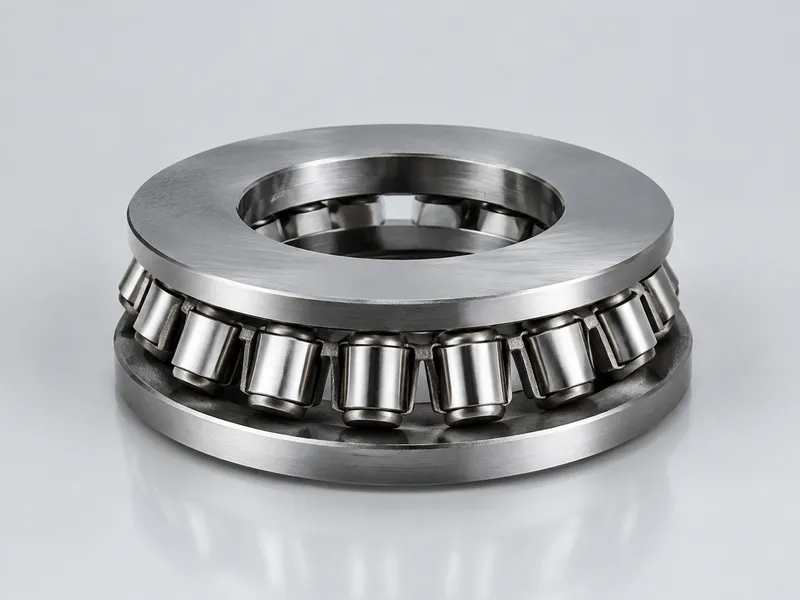
광산 및 진동 스크린용 베어링
중하중, 충격, 진동, 오염 및 윤활 관리가 사양을 좌우하는 광산 및 진동 스크린 장비의 베어링 선정.
소재
베어링 소재
부하, 회전속도, 사용 조건에 맞춘 베어링 강재, 케이지, 실, 윤활 옵션.
- 재질, 케이지, 씰, 윤활 및 정밀도 등급은 모델과 제조사에 따라 다르므로 실제 제품 데이터를 확인해야 합니다.
소싱
중국산 베어링 소싱
주요 제품군은 협력 공장의 생산 역량이 뒷받침하며, 보완 수요는 통합 조달로 대응합니다. 세부 사항은 주문별로 확인합니다.
- ✓주요 제품군의 생산은 협력 공장의 생산 역량이 뒷받침합니다.
- ✓보완 수요는 필요에 따라 통합 조달로 대응할 수 있습니다.
- ✓조달 제품은 실제 제조사와 모델 표기를 유지합니다.
진행 방식
주문 진행 과정
RFQ부터 납품까지: 모든 베어링 주문에 대한 명확한 견적·검사 프로세스.
- 견적 요청 — 베어링 모델 또는 종류, 내경·외경·폭, 수량, 클리어런스와 정밀 등급, 시일과 케이지 사양, 그리고 사용 회전수·온도·하중을 알려주세요.
- 견적 수령 — 실제 공급처, 모델 및 수량을 검토한 뒤 견적 조건과 납기를 확인합니다.
- 생산과 검사 — 공급 경로, 수량, 납기 및 적용 서류는 주문별로 확인합니다.
- 납품과 지원 — 공급 경로, 납기 및 서류는 제품과 주문 내용을 기준으로 확인합니다.
지식
베어링 지식
베어링 선정, 교체 판단, 소싱 결정을 위한 엔지니어링·구매 가이드.
2RS Contact Seals vs ZZ Metal Shields: Choosing on Contamination, Speed, Temperature and Relubrication
Published sources agree on the direction: 2RS contact seals exclude fine dust and moisture better than ZZ shields. But the lip contact adds friction and heat and the rubber degrades at temperature, so 2RS is the protected choice only where speed and temperature stay inside the seal's margin. ZZ shields are non-contact and their speed and temperature limits are set by cage and grease, not the shield. The numeric penalties — limiting speed, friction torque, temperature rise, relubrication interval and price — are not published in comparable form, so you must obtain them from the bearing supplier before the RFQ.
Does a Higher ABEC/ISO Class Buy Longer Bearing Life, or Should the Premium Go to Lubricant, Cage, Steel and Cleanliness?
The ABEC/ISO class is a tolerance band for boundary dimensions and running accuracy only; it does not certify material, heat treatment, lubricant, cage, cleanliness or service life. A class premium is justified where the application needs tighter bore, OD or runout control, while life-driven spending belongs in the lubricant, cage, steel/heat-treatment and sealing items that the class does not govern. No source in this set gives a price premium per class or a quantified life gain from a class upgrade.
Angular Contact Bearing Pairing: Choosing DB, DF or DT and a Preload Route Before the RFQ
Single-row angular contact bearings carry axial load in one direction only. So a bidirectional thrust duty forces a paired arrangement: DB where moment rigidity and combined loads dominate, DF where misalignment tolerance or easier mounting with inner-ring interference matters. And DT only to raise one-directional axial capacity. Preload is most often set by ordering a factory-matched duplex set whose spacer rings already fix preload or axial clearance, while pairing non-matched bearings means measuring axial dimensions and grinding spacers to a target. What the published evidence does not settle is the per-size preload value, the precision grade, or any stiffness threshold that would decide DB against DF for your specific duty.
Ball vs Roller Bearings: When Load and Speed Decide, and When the Variant Does
Load and speed settle the family in most applications: ball bearings are the higher-speed, lower-friction, lower-cost choice, while roller bearings carry more radial load in the same envelope through line contact. The roller's load advantage compounds with load because L10 uses an exponent of 10/3 for roller against 3 for ball, but no source here gives a matched ball/roller rating pair. So the crossover load and the rpm where the roller stops paying for itself must come from catalogue data.
ABEC 1/3/5/7/9 vs ISO P0/P6/P5/P4/P2: Which Precision Class Goes in the Specification
The two scales map tier-for-tier — ABEC 1/3/5/7/9 against ISO Normal(P0)/P6/P5/P4/P2 — but the pairing is close rather than exact, because the limits are written by different bodies and are not identical at every size. Write the class as a tier on a named scale and state which system the supplier certifies to, then list clearance, noise, lubrication, material and cage as separate line items, because the class controls only boundary dimensions and running accuracy.